Introduction
Buying a watch is not just about telling time. It’s about identity, craftsmanship, financial awareness, and long-term satisfaction. The right watch depends entirely on your budget and your expectations.
At €500, you are buying reliability and design.
At €2,000, you enter entry-level Swiss luxury.
At €10,000, you step into brand power and strong resale stability.
At €50,000, you are operating in the world of legacy and asset preservation.
This guide breaks down what you should realistically expect at each level — technically, financially, and strategically.
Best Watches Around €500
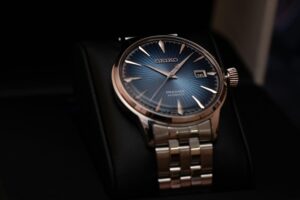
At this level, focus on durability, proven movements, and timeless design. Do not expect investment returns. The goal is enjoyment and everyday reliability.
Seiko Presage (Automatic)
Movement: Seiko 4R35 Automatic
Power Reserve: ~41 Hours
Case Size: 40.5mm
Crystal: Hardlex
Water Resistance: 50m
Seiko manufactures its movements in-house, rare at this price point. Strong dial finishing and classic proportions deliver mechanical charm.
Weakness: Low resale value.
Tissot PRX Quartz
Movement: Seiko 4R35 Automatic
Power Reserve: Approximately 41 hours
Case Size: 40.5mm
Crystal: Hardlex
Water Resistance: 50 meters
Seiko manufactures its movements in-house, which is rare at this price point. The Presage line is known for strong dial finishing and classic proportions. It delivers mechanical charm without unnecessary cost.
Weakness: resale value is low. This is not a watch you buy to flip.
€500 Range Comparison
| Feature | Seiko Presage | Tissot PRX Quartz |
|---|---|---|
| Movement | Automatic (4R35) | Swiss Quartz ETA |
| Power Reserve | ~41 Hours | Battery |
| Crystal | Hardlex | Sapphire |
| Water Resistance | 50m | 100m |
| Resale Value | Low | Slightly Better |
Verdict: Seiko = mechanical character. Tissot = practicality and Swiss branding.
Best Watches Around €2,000
Now you enter entry-level luxury territory. Expect better finishing, stronger brand identity, and automatic Swiss movements.
Longines HydroConquest
Movement: Longines Caliber L888
Power Reserve: Approximately 72 hours
Case Size: 41mm
Crystal: Sapphire
Water Resistance: 300 meters
Longines offers impressive technical value in this segment. A 72-hour power reserve at this price is competitive, and the brand has strong historical credibility.
Weakness: depreciation after purchase is common.
TAG Heuer Formula 1
Movement: Swiss Automatic or Quartz (varies by model)
Case Size: 43mm
Crystal: Sapphire
Water Resistance: 200 meters
TAG Heuer provides strong brand visibility and sporty appeal. It is widely recognized and has marketing power behind it.
Weakness: resale value is often below retail, especially for quartz variants.
Direct Comparison (€2,000 Range)
| Feature | Longines HydroConquest | TAG Heuer Formula 1 |
|---|---|---|
| Movement | L888 Automatic | Automatic / Quartz |
| Power Reserve | ~72 Hours | Varies |
| Crystal | Sapphire | Sapphire |
| Water Resistance | 300m | 200m |
| Resale Stability | Moderate | Slightly Lower |
Verdict: Longines = better horological value. TAG Heuer = stronger brand recognition.
Best Watches Around €10,000
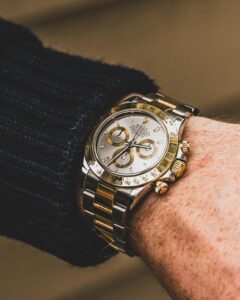
This is the strategic sweet spot. At this level, liquidity, brand demand, and historical value retention become important factors.
Rolex Datejust
Movement: Rolex Caliber 3235
Power Reserve: Approximately 70 hours
Case Size: 36mm or 41mm
Crystal: Sapphire
Water Resistance: 100 meters
Rolex controls production carefully, maintaining demand higher than supply. The Datejust is versatile, globally recognized, and historically stable in the secondary market.
Strength: strong liquidity and resale value.
Weakness: limited availability at retail.
Omega Seamaster
Movement: Co-Axial Master Chronometer
Power Reserve: Approximately 55 hours
Case Size: 42mm
Water Resistance: 300 meters
Omega offers advanced anti-magnetic technology and strong build quality. It is technically impressive and widely respected.
Weakness: resale value is solid but not as strong as Rolex.
Direct Comparison (€10,000 Range)
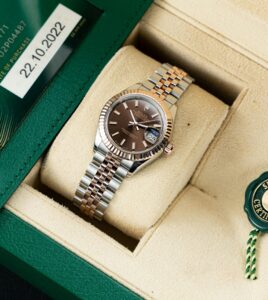
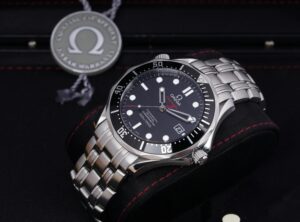
| Feature | Rolex Datejust | Omega Seamaster |
|---|---|---|
| Movement | Caliber 3235 | Co-Axial Master Chronometer |
| Power Reserve | ~70 Hours | ~55 Hours |
| Water Resistance | 100m | 300m |
| Resale Value | Excellent | Good |
| Liquidity | Very High | Moderate |
Verdict: Rolex leads in financial stability. Omega excels in technical innovation.
Best Watches Around €50,000
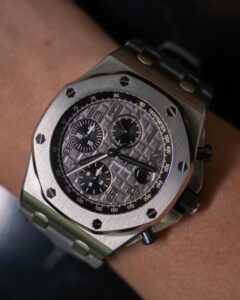
At this level, you are buying heritage, exclusivity, and long-term positioning.
Patek Philippe Calatrava
Movement: In-house mechanical
Power Reserve: Approximately 45 hours
Case Size: Around 39mm
Finishing: High-end hand finishing
Patek Philippe produces in limited quantities. The Calatrava represents classical watchmaking with long-term prestige.
Strength: strong long-term value preservation.
Weakness: conservative styling may not appeal to everyone.
Audemars Piguet Royal Oak
Movement: In-house automatic
Power Reserve: Approximately 60 hours
Case Size: 41mm
Design: Iconic integrated bracelet
The Royal Oak is highly demanded and culturally iconic. Secondary market pricing can be strong but volatile.
Strength: high prestige and demand.
Weakness: price fluctuations can occur.
Direct Comparison (€50,000 Range)
| Feature | Patek Philippe Calatrava | Audemars Piguet Royal Oak |
|---|---|---|
| Movement | In-house Mechanical | In-house Automatic |
| Power Reserve | ~45 Hours | ~60 Hours |
| Prestige | Legendary | Extremely High |
| Investment Stability | Strong Long-Term | Market Driven |
| Volatility | Lower | Higher |
Verdict: Patek represents legacy and restraint. Royal Oak represents bold design and high demand.
Is It Better to Save More Before Buying?
One of the most common dilemmas is whether to buy immediately or wait and increase your budget.
If you are considering a €2,000 watch but aspire to own a €10,000 model, waiting can often be the smarter financial decision. Entry-level luxury watches frequently depreciate. Higher-tier models, especially from strong brands, often hold value more effectively.
Saving longer can reduce long-term regret and improve financial positioning.
Where to Buy Safely
Always consider:
-
Authorized dealers for guaranteed authenticity
-
Reputable secondary market platforms
-
Condition grading (new, unworn, excellent, fair)
-
Complete set with box and papers
Documentation significantly impacts resale value. Authenticity verification is critical when buying pre-owned luxury watches.
Common Buying Mistakes
-
Buying based on hype rather than fundamentals.
-
Ignoring servicing costs, especially for mechanical watches.
-
Overpaying during peak market cycles.
-
Losing box and papers, which reduce resale value.
-
Assuming all luxury watches appreciate.
Most watches depreciate. Only specific models from strong brands maintain or increase value.
Comparison Summary
| Budget | Best For | Value Retention | Risk Level | Strategic Position |
|---|---|---|---|---|
| €500 | Daily Wear | Low | Low | Enjoyment Purchase |
| €2,000 | Entry Luxury | Moderate | Low | Brand-Focused |
| €10,000 | Status + Stability | High | Medium | Smart Buy |
| €50,000 | Prestige + Legacy | Very High | Medium-High | Strategic Asset |
Final Verdict: Which Budget Makes the Most Sense?
If you want pure enjoyment, €500 to €2,000 is sufficient.
If you want both passion and financial intelligence, €10,000 is the sweet spot.
If you are thinking about legacy, exclusivity, and long-term capital preservation, €50,000 and above is where serious collectors operate.
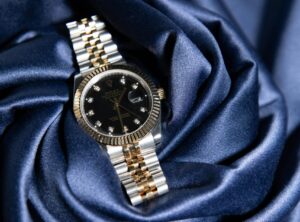
Personally, the most strategic choice is around €10,000 on a Rolex Datejust. It combines liquidity, global recognition, versatility, and historically strong resale performance. Lower budgets often satisfy emotion but depreciate. Higher budgets require expertise and patience.
The €10,000 range offers the most balanced intersection of status, practicality, and financial awareness.