Introduction
The world of horology is witnessing a burgeoning interest, particularly in the realm of undervalued watches. As collectors and investors increasingly seek unique opportunities, the focus has shifted towards timepieces that have not yet reached their full potential in the market. Undervalued watches present a fascinating avenue for both seasoned connoisseurs and novice enthusiasts alike.
Unlike traditional forms of investment, watch investing offers a blend of artistry, craftsmanship, and historical significance, making it a unique asset class. Each watch tells a story, often intertwined with the legacy of the brand, the intricacies of the design, and the technical prowess of its craftsmanship. This captivating narrative adds an intangible value that transcends mere monetary considerations, thereby enhancing the appeal of investing in watches.
Moreover, the appreciation of certain watches can often defy general market trends. Collector interest, brand reputation, and rarity can significantly influence the potential for value appreciation. Unlike stocks and bonds, the market for watches is influenced by various factors, including cultural significance, technical innovations, and even social media trends. Consequently, this fluctuation presents an exciting opportunity for discerning investors who can adeptly identify timepieces that remain under the radar.
In essence, certain undervalued watches can indeed appreciate significantly over time when selected carefully. This blog will explore specific models and brands that show promise, shedding light on why they may be considered smart investment choices. By understanding the nuances of the watch market and its current trends, investors can position themselves strategically, capitalizing on the undervalued segments that could yield impressive returns in the future.
Why Most Watches Lose Value
The luxury watch market is often viewed as a safe investment; however, many watches experience a significant depreciation in value shortly after purchase. This is primarily due to a combination of factors, which can be categorized into mass production, design flaws, and the impact of fashion trends.
Mass production is one of the leading causes of depreciation in the watch market. Unlike unique, limited-edition pieces, mass-produced watches are more accessible, leading to an oversupply that diminishes their rarity. When a watch is readily available in large quantities, it becomes less desirable to collectors, and its market value inevitably declines.
Inherent design flaws also contribute to the depreciation of many watches. Some brands may overlook quality control in their manufacturing processes, resulting in mechanical or aesthetic issues that can affect a watch’s performance or appeal. Consequently, consumers become wary of the brand’s reliability and craftsmanship, leading to lower demand and increased depreciation.
Furthermore, fashion trends play a significant role in the perceived value of watches. Styles and preferences within the luxury goods sector can shift rapidly, with new designs emerging each season. Consequently, watches that were once highly sought after may lose their appeal as trends change, causing further depreciation in value. Consumers often prioritize the latest models over older ones, resulting in a drop in market interest and price.
When a watch is initially purchased, the price is often accompanied by luxury taxes and retailer margins. Following the first sale, the watch’s value may decrease considerably, as many consumers are unwilling to pay a premium for a second-hand piece. This phenomenon aligns with trends seen in other luxury goods as well; once ownership transfers, items often struggle to retain their purchase value.
What Factors Make One Maintain Value? Key Factors
The value retention of watches is influenced by several key factors, among which brand reputation stands as a critical element. Established brands such as Rolex, Patek Philippe, and Audemars Piguet have cultivated strong identities over decades, embodying luxury, precision, and craftsmanship. The perceived prestige associated with these brands often translates into higher demand, contributing significantly to a watch’s market value. Collectors tend to favor models that have a legacy of quality and status.
Another important aspect is the concept of limited production runs. Watches that are produced in smaller quantities tend to attract increased interest among enthusiasts and collectors. This rarity makes them more sought-after, especially if they possess unique features or designs. For instance, models like the Omega Speedmaster Professional, known for its limited editions, often see appreciation over time as collectors vie to secure these rare pieces.
The historical significance of a model also plays a vital role in its valuation. Timepieces that have adorned notable personalities or played pivotal roles in historical events often carry a narrative that enhances their appeal. For example, the TAG Heuer Monaco, made famous by actor Steve McQueen, has maintained considerable value due to its cultural impact and storied past. Such connections resonate with collectors, making these models particularly desirable.
Finally, demand in the secondary market is a crucial factor affecting a watch’s value. A robust secondary market signifies an active interest among potential buyers, which can drive up prices significantly. Watches that are consistently sought after at auctions or resale platforms often exhibit greater appreciation. Additionally, market trends can fluctuate based on changing consumer preferences, further impacting demand and value. Together, these factors intricately interact to shape a timepiece’s ability to maintain or appreciate in value, presenting a fascinating landscape for collectors and investors alike.
Watches That Do Maintain Value: Examples
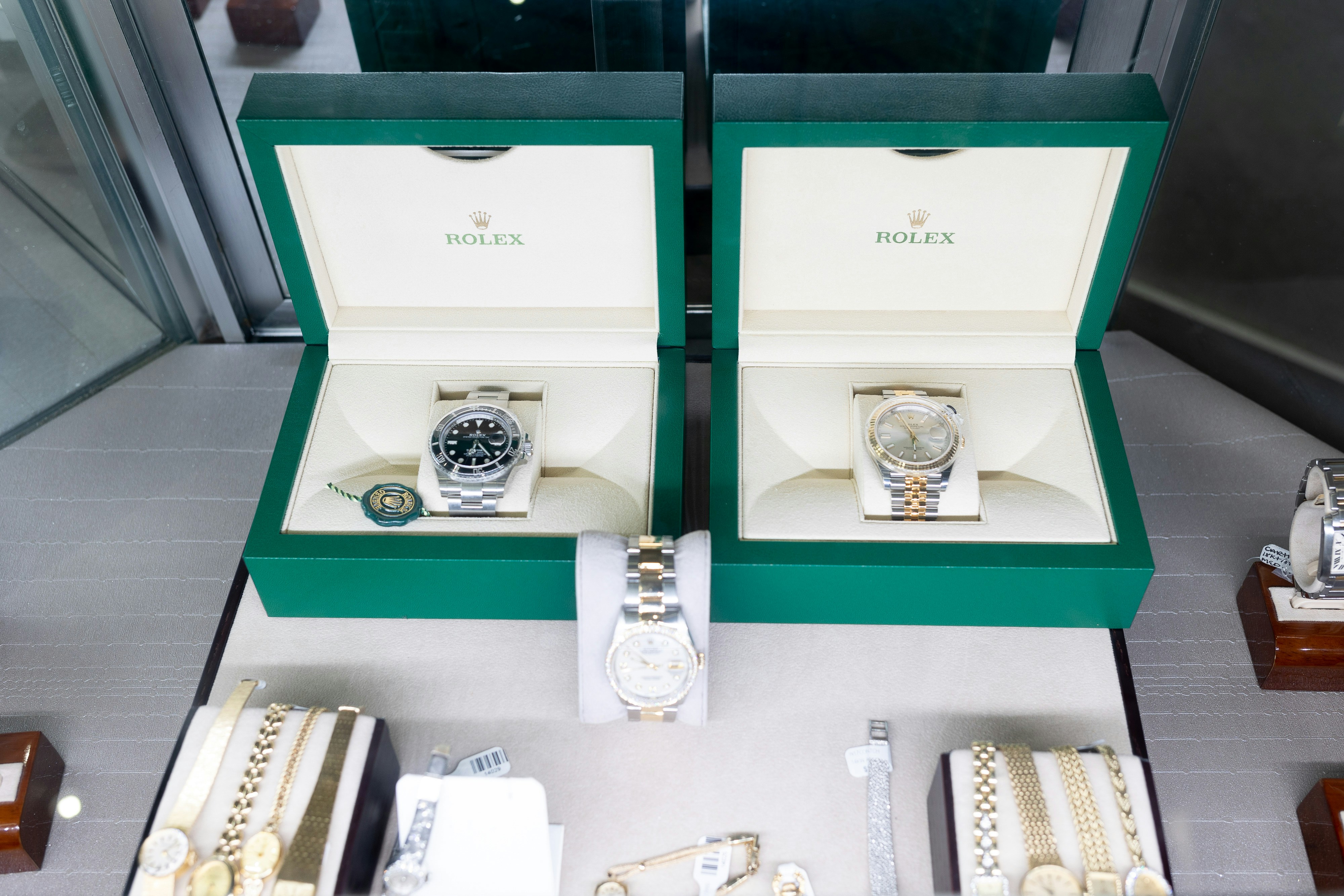
In the realm of luxury timepieces, certain models have garnered a reputation for maintaining or even increasing their value over time. Such watches hold a prominent position in the collectors’ market due to factors such as brand prestige, craftsmanship, and rarity. Among them, the Rolex Submariner stands out as a quintessential dive watch that has consistently performed well in terms of value retention. Its robust design, versatile style, and iconic status make it a coveted piece for both novice collectors and seasoned enthusiasts alike.
Another exemplary model is the Rolex GMT-Master II, designed originally for pilots and frequent travelers. Its dual time zone functionality and distinctive rotating bezel have contributed to its enduring popularity. This watch has seen price appreciation over the years, particularly for limited editions and models featuring unique color palettes.
Transitioning into the realm of haute horlogerie, the Patek Philippe Nautilus is a prime example of a luxury sports watch that has captured the hearts of collectors. Renowned for its elegant, yet sporty design, this model remains in high demand. Patek Philippe’s reputation for intricate craftsmanship and limited production runs ensures that the Nautilus retains its value exceptionally well.
Equally as significant is the Aquanaut, another standout by Patek Philippe. Its more contemporary aesthetic and rubber strap make it appealing to a younger audience. The combination of practicality and luxury in the Aquanaut sets it apart from traditional timepieces, contributing to its growing desirability and value in the market.
Lastly, the Audemars Piguet Royal Oak has made an indelible mark on the world of luxury watches, often considered one of the most influential designs ever created. Its unique octagonal bezel and intricate dial are complemented by exceptional craftsmanship, ensuring its robust presence in both the collectors’ circle and the financial realm.
Watches That Do Not Keep Their Value
When considering investments in timepieces, it’s crucial to understand that not all watches maintain their value. In fact, certain types of watches are prone to depreciating rapidly, primarily due to various characteristics that render them less desirable over time.
One major category includes fashion watches. These pieces are often heavily marketed and tied to fleeting trends, leading to their temporary popularity. Once the initial hype diminishes, wearers often find themselves with a product that holds little to no resale value. Such watches frequently utilize inexpensive materials and lack the craftsmanship associated with luxury brands, resulting in a product that does not age well in terms of desirability.
Additionally, watches from brands that heavily rely on marketing tactics rather than quality or heritage generally suffer from value depreciation. Many of these brands produce mass-market timepieces that are easy to obtain, saturating the market and consequently diminishing exclusivity. The once-desirable models can quickly become common, leading to a dip in interest from collectors and enthusiasts alike.
Furthermore, the characteristics of certain models—such as excessive branding or trendy design features—can contribute to their downfall in terms of value retention. For instance, watches that showcase prominent logos or designs tied to a specific cultural moment often lose appeal as trends evolve. The rapid cycle of fashion dictates that models can quickly fade from popularity, plunging their value due to diminished demand.
Overall, understanding the factors that lead to a watch’s depreciation is essential for potential buyers. By recognizing the impact of fashion trends, excessive branding, and market saturation, investors can make informed choices and avoid purchasing timepieces that are unlikely to hold their value over time.
Assessing Demand in the Secondary Market
The secondary market for watches serves as a significant indicator of how demand influences the value of these timepieces. As enthusiasts and collectors engage with this market, trends begin to emerge that reflect which watches are likely to appreciate over time. Resale trends, collector communities, and auction results are crucial elements that provide insight into the future value trajectories of various models.
Firstly, resale trends can directly impact the demand for certain watches. A watch that sells quickly at higher prices often indicates strong consumer interest, suggesting the potential for future appreciation. By analyzing the frequency and median prices of transactions within the secondary market, buyers can identify which undervalued watches are trending up in desirability. Platforms that facilitate the sale of pre-owned watches often feature data regarding sales history, making it easier for collectors and investors to monitor and predict market movements.
Secondly, the presence and activity of collector communities can significantly influence demand. These communities often highlight particular brands or models that gain momentum within the collector space. Through social media, forums, and collector events, individuals share insights and enthusiasm for specific watches, thereby creating heightened interest and demand. When a community rallies around specific models, it can lead to increased recognition, consequently driving up prices in subsequent sales.
Lastly, auction results are another vital aspect to consider. High-profile auctions frequently set benchmarks for what certain watches can achieve in resale. Observing how well specific pieces perform at these events can be telling; strong prices at auction could reflect a growing market interest and indicate appreciation potential. In summary, assessing the interplay of demand in the secondary market through resale trends, collector involvement, and auction results is essential for identifying undervalued watches that may experience price increases in the future.
When to Buy: For Pleasure vs. Investment
When approaching the world of horology, it is essential to differentiate between purchasing watches purely for personal enjoyment and investing in them as potential assets. Collectors often find themselves navigating the fine line between passion and profitability, and understanding the motivations behind each acquisition is crucial.
For those buying for pleasure, the primary focus should be on the aesthetic and emotional value that the timepiece brings. This mindset should encompass a variety of factors, including design, history, technological innovation, and brand reputation. When acquiring a watch driven by passion, buyers should ensure that their selections resonate with their personal tastes and lifestyle preferences. Such pieces often become cherished keepsakes that tell a story and reflect the collectorship journey, rather than simply serving as financial investments.
Conversely, those looking at watches as an investment must adopt a strategic approach. The market is susceptible to various trends, which can influence the functionality of a timepiece in terms of value retention. Timing is pivotal; seasoned investors monitor the market closely, allowing themselves to capitalize on potential undervalued pieces that possess a certain level of demand. It is beneficial to focus on limited editions, notable brand histories, or pieces with unique features, as these factors may enhance the likelihood of appreciation over time.
In summary, understanding whether to purchase watches for personal pleasure or investment is essential for collectors. Each approach holds its significance, and integrating knowledge of market dynamics while fostering a genuine appreciation for horology can lead to a fulfilling experience in watch collecting. Owning a watch transcends the mere act of possession; it encapsulates a blend of passion, craftsmanship, and potential for future value growth.
Identifying Undervalued Watch Models
Spotting undervalued watch models requires a blend of research, market awareness, and intuition. Knowledge of the wristwatch market dynamics is crucial for anyone looking to invest wisely. The first step in this process is to thoroughly investigate various brands and models. Some luxury brands may release limited editions or vintage timepieces that, due to misconceptions or lack of popularity, may not be priced as high as they could be. Identifying these hidden gems involves understanding the brand’s heritage and its model line-up.
Next, monitoring market trends is essential. Pay attention to auction results, watch forums, as well as social media channels where enthusiasts share their insights. Online platforms, such as Chrono24 or WatchBox, offer robust marketplaces where buyers and sellers express their opinions on pricing and desirability. Noticing trends can reveal which models may have potential for appreciation as demand increases. Additionally, attending watch fairs and exhibitions may provide an opportunity to glean firsthand insights from experts in the field.
Another effective method is to explore lesser-known models from reputable brands. These often do not receive the same marketing attention as flagship models, leading to lower current prices. Brands like Seiko, Longines, or Orient can offer excellent choices for affordable yet valuable pieces. Collectors should also look for the condition of the watch, provenance, and complete sets including original boxes and paperwork. These factors significantly influence value appreciation in the future.
Finally, engaging with the watch community can provide invaluable information. forums, clubs, and social media groups focused on horology can be gold mines for advice on undervalued watches. By networking with other collectors and enthusiasts, insights into market sentiments and lesser-known models are easily accessible.
Conclusion
In the realm of watch collecting, undervalued watches represent a unique opportunity for enthusiasts and investors alike. As we have explored, the watch market is indeed characterized by fluctuations driven by various factors, including brand reputation, rarity, condition, and the overall demand. Recognizing undervalued pieces requires not only a passion for horology but also a keen understanding of market dynamics.
Investing in watches that are currently undervalued can serve dual purposes: it allows collectors to acquire timepieces that resonate with their personal style while also opening avenues for potential financial appreciation. However, it is crucial to approach such investments with diligence. Thorough research into specific models, understanding their historical significance, and staying updated on current market trends are essential steps before making a purchase.
Moreover, the emotional connection to a watch should not be overlooked. Many collectors find joy and satisfaction in owning pieces that may not yet have reached their peak value, as these watches often tell stories and represent unique craftsmanship. Consequently, making informed decisions based on both passion and potential is vital. By combining thorough knowledge of the watch market with a genuine appreciation for horology, collectors can build valuable portfolios that also provide personal enjoyment.
Therefore, whether you are a seasoned collector or a newcomer, it is imperative to navigate the market with awareness. Engaging with watch forums, attending auctions, and seeking expert opinions can provide invaluable insights into which undervalued watches might be poised for an increase in value. By doing so, you not only enhance your collection but also position yourself for potential investments that could appreciate over time.